
Imao sam zadovoljstvo da obavim intervju sa velemajstorom Nikitom Petrovom, koji je na nedavno završenom turniru Montenegro Open Mediterranean Championship 2026 – Open A ostvario izuzetan rezultat, osvojio drugo mjesto i popravio svoj FIDE rejting za 9,5 poena.
Goran Tomić: Čestitam na drugom mjestu na Montenegro Openu. Kako biste ocijenili svoj nastup i da li ste zadovoljni partijama koje ste odigrali?
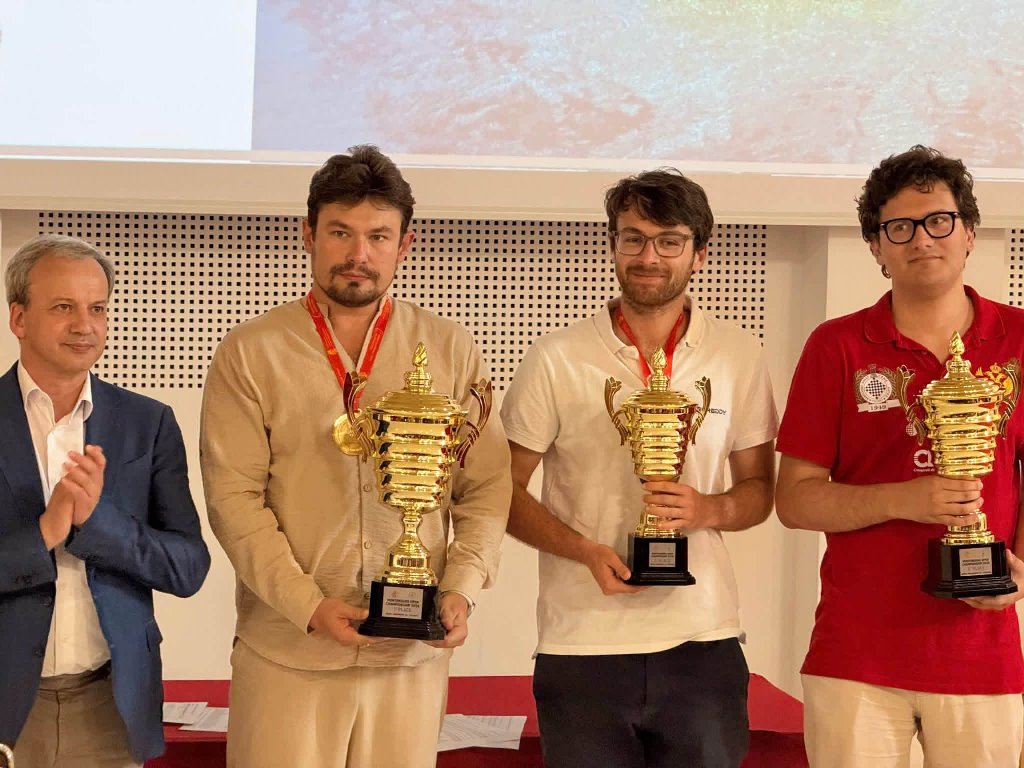
GM Nikita Petrov: Sveukupno, zadovoljan sam svojim nastupom na turniru. Ni u jednom trenutku nisam imao osjećaj da sam u nekoj partiji bio u ozbiljnoj nevolji. Istovremeno, jasno je da takav miran pristup, sa relativno malo rizika, ima i svoje nedostatke. U mom slučaju, to je vjerovatno bio glavni razlog zbog kojeg nisam uspio da osvojim turnir, iako je ukupan kvalitet mojih partija bio veoma visok.
G.T: Završili ste turnir sa istim brojem poena kao pobjednik. Da li ostaje žal što je prvo mjesto izmaklo zbog dodatnih kriterijuma?
GM Nikita Petrov: Neki drugi igrači, uključujući i pobjednika turnira Evgenyja Romanova, bili su spremni da preuzmu veći rizik. Češće nego ne, veći rizik donosi i veću nagradu. Zato smatram da je konačan plasman bio pravedan i da je vjerno odrazio nastup svih učesnika.
G.T: Koju biste partiju sa ovog turnira izdvojili kao svoju najbolju i zašto?
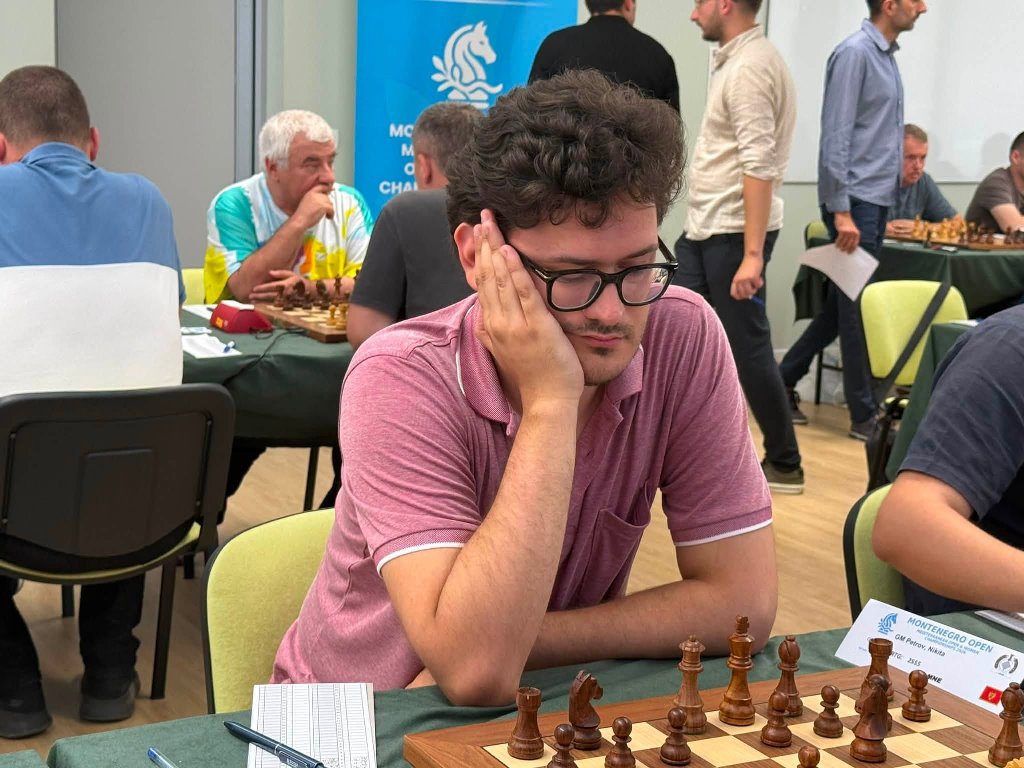
GM Nikita Petrov: Po mom mišljenju, najzanimljivija partija koju sam odigrao na Prvenstvu Mediterana bila je protiv Andreja Ljepića.
Petrov,Nikita (2555) - Ljepic,Andrej (2428) [A46]
Round 5: Montenegro Open Mediterranean Championship 2026 (5.1), 04.07.2026
1.d4 e6 2.Nf3 Nf6 3.Bf4 b6 4.e3 Bb7 5.Bd3 Be7 6.h3 0–0 7.0–0 c5 8.Nbd2 d5 9.c3 Nc6 10.Qe2 Bd6 11.Bg5 h6 12.Bh4 Be7 13.Rad1 Nd7 14.Bg3 c4 15.Bc2 f5
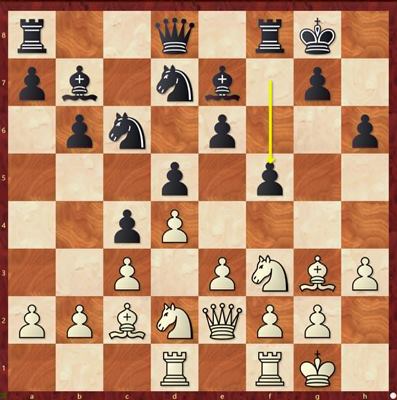
Poslije poteza crnog 15...f5, nastala pozicija bi lako mogla poslužiti kao trening zadatak za veoma jake igrače. Ironično, nisam uspio sam da ga riješim. Umjesto da pronađem najjači nastavak, 16.Bh2 nakon čega slijedi Kh1, Rg1 i g2-g4 vodi do velike prednosti bijelih, odlučio sam se za primamljiv, ali pogrešan potez.
Srećom po mene, nije uspio da u potpunosti iskoristi pruženu priliku. Ipak, ako bih morao da izdvojim jednu partiju sa turnira, to bi definitivno bila ova.
Umjesto toga, odlučio sam se za primamljiv, ali pogrešan potez 16.b3?! b5 17.bxc4 bxc4 18.e4!? Izabrao sam e4, potez koji je izgledao izuzetno primamljivo, ali je omogućio mom protivniku da se vrati u partiju.

A ovdje je crni mogao da dođe do nejasne, ali pozicije koja se može igrati poslije: 18...fxe4 19.Nxe4 dxe4 20.Qxe4 Rxf3! Moj mladi protivnik nije primijetio ovaj resurs i izgubio je nakon:
18...Kh8 19.exf5 exf5 20.Qe6 +-
20…Rf6 21.Qxd5 Nb6 22.Qxd8+ Bxd8 23.Rfe1 Kg8 24.Be5 Nxe5 25.dxe5 Rf8 26.Nxc4 Bxf3 27.gxf3 Nxc4 28.Bb3 Rc8 29.Rd4 Ba5 30.Rxc4 Rxc4 31.Bxc4+ Kh7 32.e6 Re8 33.e7 Bxc3 34.Bf7 Bxe1 35.Bxe8 1–0
G.T: Prošle godine osvojili ste titulu šampiona Crne Gore. Koliko je osvajanje državnog prvenstva uticalo na Vaše samopouzdanje i na buduću karijeru?
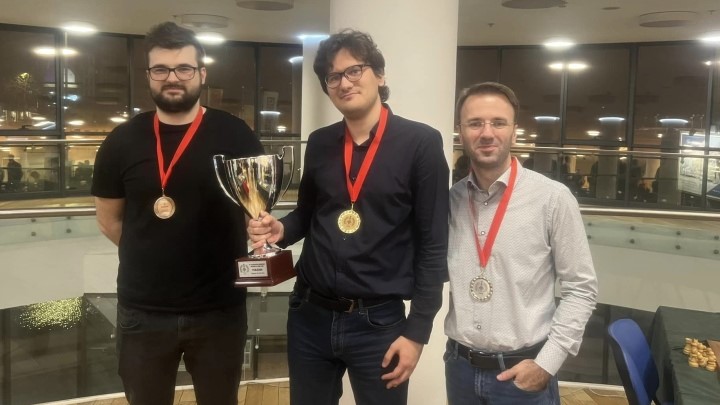
GM Nikita Petrov: Prvi put sam osvojio Prvenstvo Crne Gore 2024. godine i u tom trenutku je to bez sumnje bio jedan od najvećih uspjeha u mojoj karijeri. Osvajanje državne titule donijelo mi je značajan podsticaj samopouzdanju i dodatno učvrstilo moje uvjerenje da se krećem u pravom smjeru.

G.T: Koje ste ciljeve postavili za ostatak 2026. godine? Da li su prioritet međunarodni turniri, povećanje rejtinga ili nešto drugo?
GM Nikita Petrov: Kada su u pitanju moji planovi za 2026. godinu, glavni prioritet mi je da ostvarim dobar rezultat za reprezentaciju Crne Gore na Šahovskoj olimpijadi, koja će se krajem septembra održati u Samarkandu. Takođe očekujem da ću igrati još nekoliko turnira, iako će oni najvjerovatnije imati manji značaj.
Kada je riječ o osvajanju rejting poena, aktuelni FIDE pravilnik o rejtingu učinio je taj zadatak nevjerovatno teškim. Po mom mišljenju, sistem bi svakako mogao biti unapređen, ali bez obzira na okolnosti, potrudiću se da dam svoj maksimum.
G.T: Kada i kako ste zavoljeli šah? Ko vas je prvi uveo u svijet 64 polja? Kako je izgledao Vaš put do titule velemajstora? Koji su bili najveći izazovi sa kojima ste se susretali na tom putu?
GM Nikita Petrov: Veoma dobro se sjećam dana kada sam odigrao svoju prvu šahovsku partiju. Pravilima me je naučila moja baka, sa kojom sam proveo najveći dio djetinjstva. Nažalost, preminula je prošle godine.
Naučila me je mnogim različitim društvenim igrama, a u jednom trenutku je vjerovatno odlučila da je vrijeme da me upozna sa nečim složenijim. Ne sjećam se kako je ta prva partija završena niti ko je pobijedio, ali iz nekog razloga početna pozicija bila je veoma neobična: na tabli su se nalazile četiri dame na poljima c1, f1, c8 i f8, dok je svaka strana imala samo jednog lovca, postavljenog na d1 i d8.
Kasnije sam naučio prava pravila šaha i priključio se lokalnom šahovskom klubu u mom rodnom gradu Novorosijsku, gdje sam upoznao svog prvog – i na kraju jedinog – trenera, Sergeja Veljinova.
Od tada je šah postao neizostavni dio mog života. Ipak, nikada nisam smatran čudom od djeteta. Tek sa šesnaest godina uspio sam da pređem granicu od 2200 Elo poena i sve do druge godine studija nisam ozbiljno razmišljao o tome da postanem profesionalni šahista.
Tada su se stvari konačno počele poklapati: moji rezultati su se značajno poboljšali i u relativno kratkom periodu ostvario sam norme za međunarodnog majstora (IM) i velemajstora (GM).
G.T: Koji treneri ili šahisti su imali najveći uticaj na Vaš razvoj?
GM Nikita Petrov: Još od svoje dvanaeste godine šah sam proučavao gotovo potpuno samostalno, bez pomoći trenera. To je podrazumijevalo bezbroj sati provedenih uz šahovsku literaturu i analiziranje partija velikih majstora iz prošlosti.
G.T: Imate li šahovskog uzora ili igrača čije partije posebno volite da proučavate?
GM Nikita Petrov: Sasvim slučajno, igrač koji je vjerovatno imao najveći uticaj na mene bio je Aleksandar Aljehin. Svima koji žele da razviju dublje razumijevanje dinamične igre toplo bih preporučio njegovu zbirku komentarisanih partija „Na putu ka najvišim dostignućima u šahu“ (On the Road to the World Championship, 1923–27 na engleskom). Ta knjiga je oblikovala moje šahovsko razumijevanje više nego gotovo bilo koja druga.
G.T: Kako izgleda jedan tipičan dan priprema za važan turnir? Koliko vremena posvećujete pripremi otvaranja, taktičkom treningu i fizičkoj spremi?

GM Nikita Petrov: Kada je riječ o pripremama za turnire, većina velemajstora, pa i igrača mog nivoa uopšte, nesrazmjerno mnogo vremena posvećuje radu na otvaranjima i traženju novih ideja. Nisam uvjeren da je to najefikasniji pristup, ali tako se profesionalni šah istorijski razvijao. Zbog toga priprema otvaranja zauzima daleko najveći dio našeg vremena.
Naravno, svi ostali aspekti igre i dalje su veoma važni. Zapravo, posljednjih godina sve je više turnira sa dva kola dnevno, što znači da fizička izdržljivost i opšta kondicija postaju sve značajniji faktori. Ne mogu reći da sam posebno zadovoljan tim trendom, ali to je nešto čemu svaki profesionalac mora da se prilagodi.
G.T: Kako se savremeni šah promijenio dolaskom moćnih šahovskih motora i vještačke inteligencije? Mislite li da je danas teže uspjeti nego prije deset ili dvadeset godina?
GM Nikita Petrov: U velikoj mjeri, te promjene pokrenute su brzim razvojem tehnologije i izuzetnom snagom savremenih šahovskih mašina. Iako su šahovske mašine već dugi niz godina mnogo jače od ljudi, ranije su pogrešno procjenjivali čitave klase pozicija. Danas su, međutim, izuzetno blizu tome da budu savršeni šahisti. Njihovim procjenama može se vjerovati gotovo bez izuzetka.
Kao posljedica toga, ogroman broj igrača sada, uslovno rečeno, ima pristup višoj šahovskoj inteligenciji. Naravno, prosječan nivo igre drastično je porastao. Kada je riječ o apsolutnoj snazi igre, zapravo je postalo lakše napredovati. Međutim, kada je u pitanju nadmašivanje konkurencije, izazov je mnogo veći, jer svi imaju pristup praktično istim moćnim analitičkim alatima.
To se jasno može vidjeti u zemljama poput Indije i Uzbekistana. Mnogi njihovi mladi talenti čak ni ne rade sa ličnim trenerima. Prije dvadeset ili trideset godina bilo bi gotovo nemoguće dostići vrhunski nivo u takvim okolnostima. Danas, međutim, mogu da se oslone na vrhunske šahovske motore, ChessBase i veliki broj kurseva otvaranja koje proizvode vodeće šahovske kompanije. Ti resursi omogućavaju talentovanim igračima da nevjerovatno brzo napreduju, pa je nadarenim mladim šahistima danas mnogo lakše nego ranije da se probiju do svjetske elite.
G.T: Kako biste ocijenili trenutno stanje šaha u Crnoj Gori? Da li vidite napredak i dolazi li dovoljno talentovanih mladih igrača? Koji biste savjet dali mladim šahistima koji sanjaju da jednog dana postanu velemajstori?
GM Nikita Petrov: Nažalost, Crna Gora se suočava sa drugačijom vrstom izazova. Po mom mišljenju, glavni problem nije infrastruktura, već motivacija. Zemlja nudi dobre uslove za mlade igrače – ima mnogo turnira, redovno se organizuju pripremni kampovi, a na raspolaganju su i kvalitetni treneri. Međutim, imam utisak da mnogi mladi igrači, a često i njihovi roditelji, ne vide šah kao održivu profesiju, pa čak ni kao ozbiljan životni put. Nisam sasvim siguran zbog čega je to tako, ali dok se takav način razmišljanja ne promijeni, biće teško stvoriti čitavu generaciju snažnih velemajstora u Crnoj Gori.
Ipak, svakako se preduzimaju pozitivni koraci i optimista sam kada je riječ o budućnosti. Iskreno vjerujem da crnogorski šah ima sve predispozicije da u godinama koje dolaze ostvari mnogo veće uspjehe.
G.T: Za kraj, imate li poruku za čitaoce bloga Šah-mat lista i ljubitelje šaha u Crnoj Gori?
GM Nikita Petrov: Na kraju, želio bih da ohrabrim sve koji čitaju ovaj intervju da igraju šah, uživaju u šahu i cijene ovu igru u svoj njenoj bogatosti i ljepoti.
Goran Tomić: Hvala vam što ste izdvojili vrijeme da sa čitaocima bloga Šah-mat lista podijelite svoja razmišljanja i iskustva. Želim Vam još mnogo pobjeda, uspješnih turnira i nastavak napretka u vašoj izuzetnoj karijeri.
Nadam se da ćemo imati priliku da vas ponovo ugostimo na stranicama Šah-mat liste.
Još jednom vam hvala i želim vam mnogo uspjeha u predstojećim izazovima.
Intervju je obavljen putem Facebooka 16. jula 2026. godine.
******************
Interview with Grandmaster Nikita Petrov
I had the pleasure of conducting an interview with grandmaster Nikita Petrov. who achieved an outstanding result at the recently concluded Montenegro Open Mediterranean Championship 2026 – Open A, finishing in second place and gaining 9.5 FIDE rating points.
Goran Tomić: Congratulations on your second-place finish at the Montenegro Open. How would you evaluate your performance, and are you satisfied with the games you played?
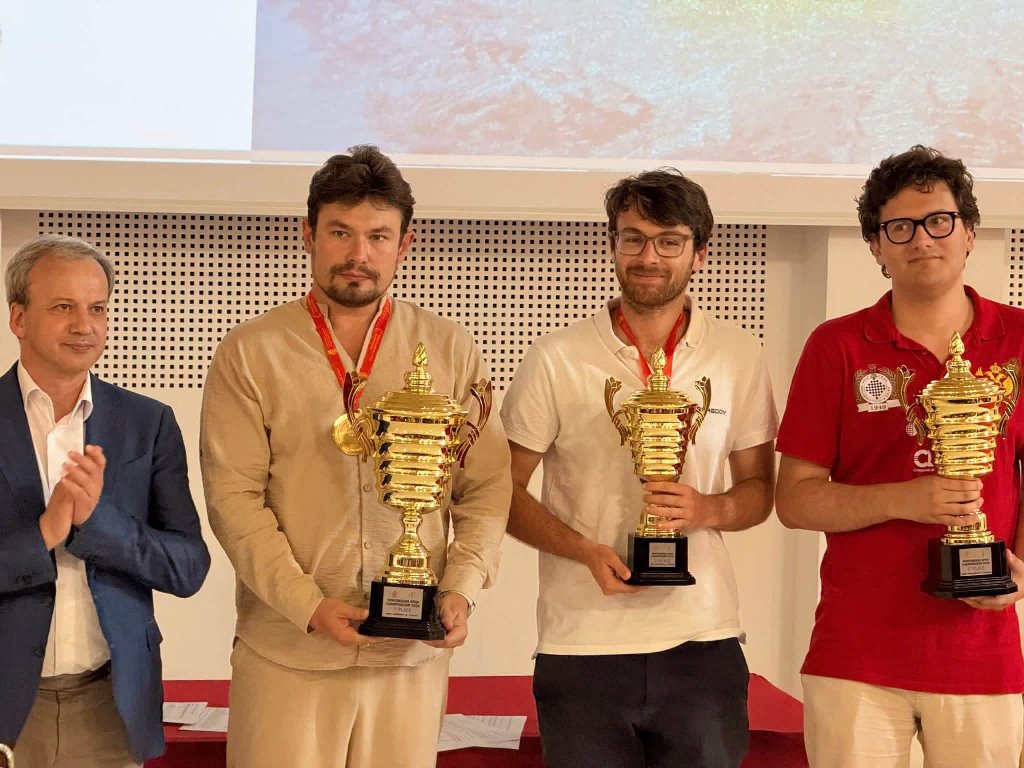
GM Nikita Petrov: Overall, I'm satisfied with my performance in the tournament. At no point did I feel that I was in serious trouble over the board. At the same time, it's clear that such a calm and relatively risk-free approach has its drawbacks. In my case, it was probably the main reason I didn't manage to win the event, despite the fact that the overall quality of my games was very high.
G.T: You finished the tournament with the same number of points as the winner. Do you feel disappointed that first place slipped away due to the tie-break criteria?
GM Nikita Petrov: Some of the other players, including the tournament winner, Evgeny Romanov, were willing to take greater risks. More often than not, greater risks bring greater rewards. So I believe the final standings were fair and accurately reflected everyone's performance.
G.T: Which game from this tournament would you consider your best, and why?
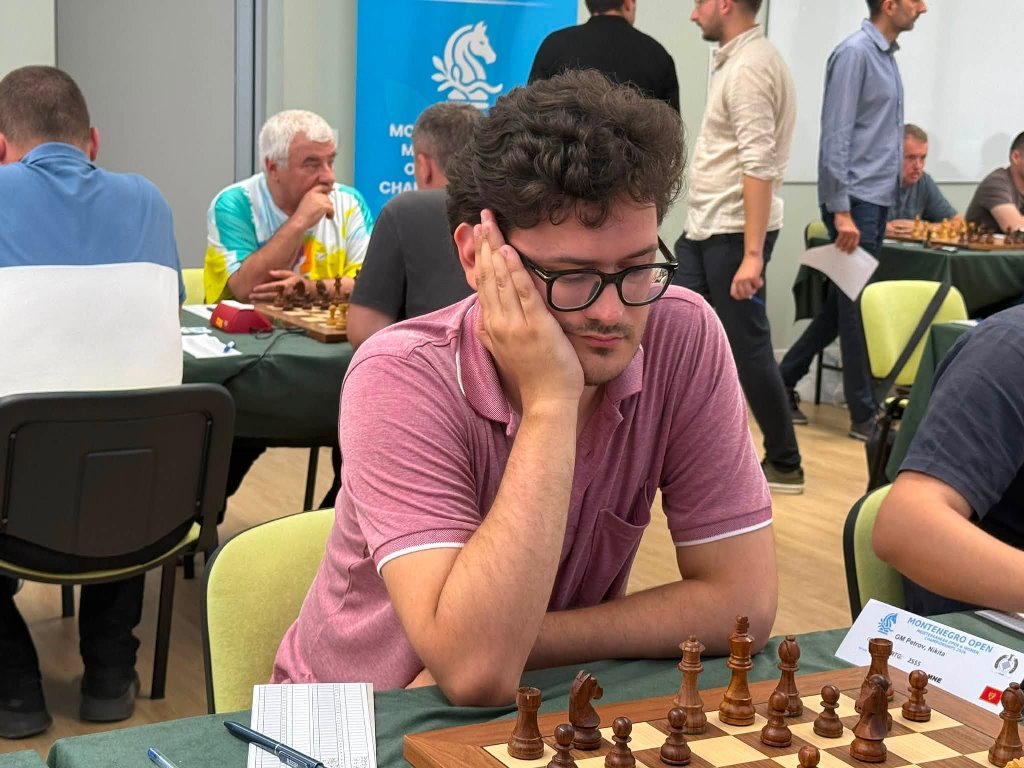
GM Nikita Petrov: In my opinion, the most interesting game I played at the European Championship was against Andrey Ljepić.
Petrov,Nikita (2555) - Ljepic,Andrej (2428) [A46]
Round 5: Montenegro Open Mediterranean Championship 2026 (5.1), 04.07.2026
1.d4 e6 2.Nf3 Nf6 3.Bf4 b6 4.e3 Bb7 5.Bd3 Be7 6.h3 0–0 7.0–0 c5 8.Nbd2 d5 9.c3 Nc6 10.Qe2 Bd6 11.Bg5 h6 12.Bh4 Be7 13.Rad1 Nd7 14.Bg3 c4 15.Bc2 f5
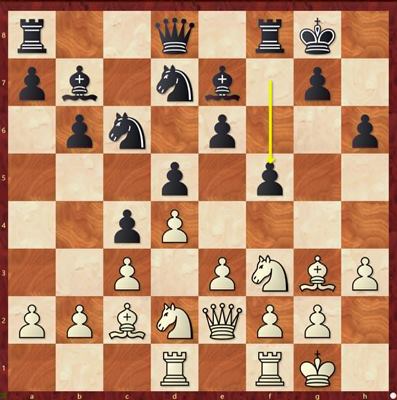
After Black's move 15...f5, the resulting position could easily be used as a training exercise for very strong players. Ironically, I failed to solve it myself. Instead of finding the strongest continuation, 16.Bh2 followed by Kh1 Rg1 and g2-g4 leads to a large advantage for White, I went for a tempting but wrong move. Fortunately for me, he wasn't able to make full use of the opportunity. Nevertheless, if I had to single out one game from the tournament, that would definitely be the one.
Instead I went for a tempting but wrong 16.b3?! b5 17.bxc4 bxc4 18.e4!? I chose e4, a move that looked extremely tempting but allowed my opponent back into the game.
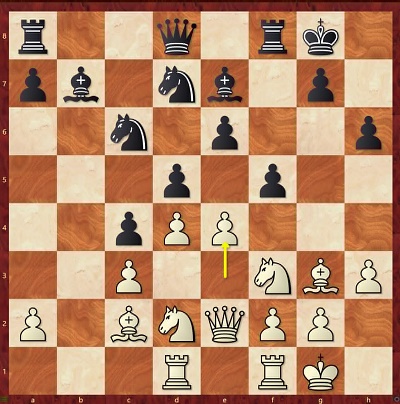
And here Black could achieve an unclear but playable position after 18...fxe4 19.Nxe4 dxe4 20.Qxe4 Rxf3! My young opponent failed to notice this resource and lost after 18...Kh8 19.exf5 exf5 20.Qe6 +-
20…Rf6 21.Qxd5 Nb6 22.Qxd8+ Bxd8 23.Rfe1 Kg8 24.Be5 Nxe5 25.dxe5 Rf8 26.Nxc4 Bxf3 27.gxf3 Nxc4 28.Bb3 Rc8 29.Rd4 Ba5 30.Rxc4 Rxc4 31.Bxc4+ Kh7 32.e6 Re8 33.e7 Bxc3 34.Bf7 Bxe1 35.Bxe8 1–0
G.T: Last year, you won the title of Montenegrin Champion. How has winning the national championship affected your confidence and your outlook on your future career?
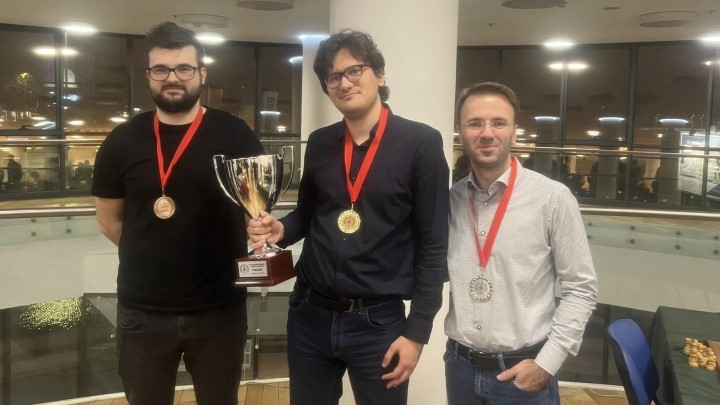
GM Nikita Petrov: I won the Montenegrin Championship for the first time in 2024, and at that moment it was undoubtedly one of the greatest achievements of my career. Winning the national title gave me a significant boost in confidence and reinforced my belief that I was moving in the right direction.
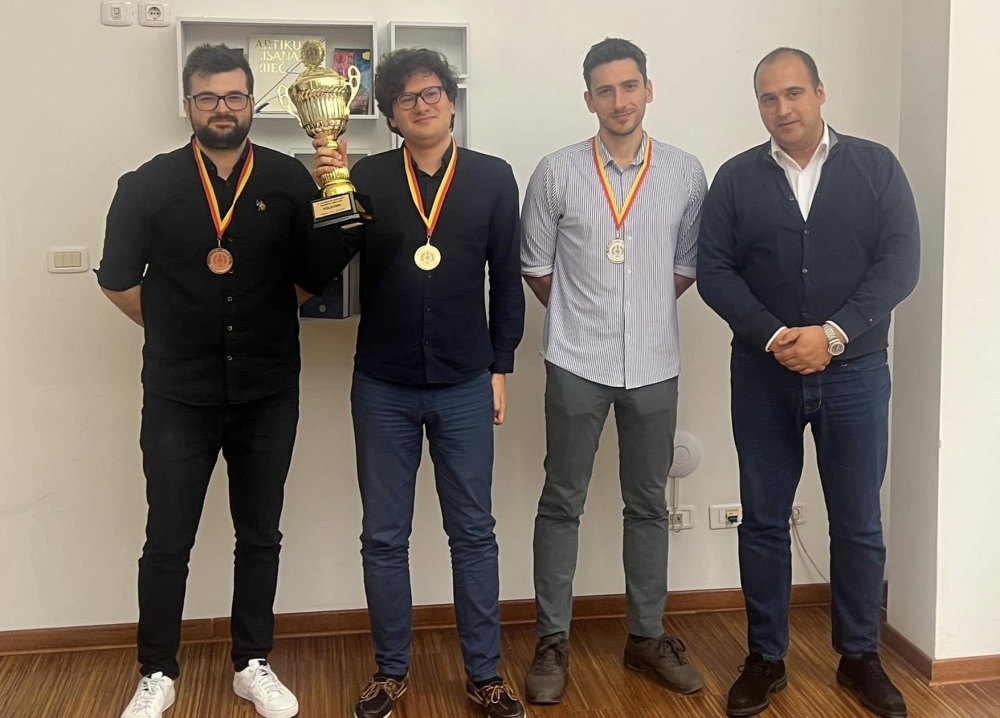
G.T: What goals have you set for the remainder of 2026? Are your priorities international tournaments, increasing your rating, or something else?
GM Nikita Petrov: As for my plans for 2026, my main priority is to perform well for the Montenegro national team at the Chess Olympiad, which will take place in Samarkand at the end of September. I also expect to play several other tournaments, although they will most likely be of lower importance. When it comes to gaining rating points, the current FIDE rating regulations have made that an incredibly difficult task. In my opinion, the system could certainly be improved, but regardless of the circumstances, I'll simply do my best.
G.T: When and how did you fall in love with chess? Who first introduced you to the world of the 64 squares? What was your journey to becoming a Grandmaster like? What were the biggest challenges you faced along the way?
GM Nikita Petrov: I remember the day I played my very first game of chess remarkably well. I learned the rules from my grandmother, with whom I spent the lion's share of my childhood. Sadly, she passed away last year.
She taught me many different board games, and at some point she must have decided that it was time to introduce me to something more sophisticated. I don't remember how that first game went or who won, but for some mysterious reason the starting position was rather unusual: there were four queens on c1, f1, c8, and f8, while each side had only one bishop, placed on d1 and d8. Eventually, I learned the proper rules of chess and joined the local chess club in my hometown of Novorossiysk, where I met my first—and ultimately only—coach, Sergey Velinov. Since then, chess has been an essential part of my life. That said, I was never considered a prodigy. I only managed to cross the 2200 Elo mark at the age of sixteen and never seriously considered becoming a professional chess player until my second year at university. That was when things finally began to click: my results improved dramatically, and within a relatively short period of time I earned both my IM and GM norms.
G,T: Which coaches or chess players have had the greatest influence on your development?
GM Nikita Petrov: Since I was around twelve years old, I've been studying chess almost entirely on my own, without the help of a coach. Naturally, that meant spending countless hours reading chess literature and analysing the games of the great masters of the past.
G.T: Do you have a chess role model or a player whose games you especially enjoy studying?
GM Nikita Petrov: By chance, the player who probably influenced me the most was Alexander Alekhine. I would highly recommend his collection of annotated games, On the Way to the Highest Achievements in Chess (On the Road to the World Championship, 1923-27" in English) to anyone who wants to develop a deeper understanding of dynamic play. That book helped shape my own chess understanding more than almost any other.
G.T: What does a typical day of preparation for an important tournament look like? How much time do you devote to opening preparation, tactical training, and physical fitness?
GM Nikita Petrov: When it comes to tournament preparation, most grandmasters—and, more generally, most players at my level—tend to devote a disproportionate amount of time to opening work and searching for new ideas. I'm not convinced this is the most effective approach, but historically that's simply how professional chess has evolved. As a result, opening preparation consumes by far the largest share of our time. Of course, every other aspect of the game remains important as well. In fact, recent years have seen a growing number of tournaments with two rounds per day, which means that physical endurance and overall fitness are becoming increasingly significant. I can't say I'm particularly happy about this trend, but it's something every professional has to adapt to.
G.T: How has modern chess changed with the arrival of powerful chess engines and artificial intelligence? Do you think it is more difficult to succeed today than it was ten or twenty years ago?
GM Nikita Petrov: To a large extent, these changes are driven by the rapid development of technology and the extraordinary strength of modern chess engines. Even though engines have been much stronger than humans for many years, they used to misjudge entire classes of positions. Today, however, they are remarkably close to being perfect chess players. Their evaluations can be trusted almost without exception. As a consequence, a huge number of players now have access, so to speak, to a higher chess intelligence. Naturally, the average standard of play has risen dramatically. In terms of absolute playing strength, it has actually become easier to improve. But when it comes to outperforming your competitors, the challenge has become much greater because everyone has access to essentially the same powerful analytical tools. You can clearly see this in countries like India and Uzbekistan. Many of their young talents don't even work with personal coaches. Twenty or thirty years ago, reaching the highest level under those circumstances would have been almost impossible. Today, however, they can rely on top-level engines, ChessBase, and the vast number of opening courses produced by leading chess companies. These resources allow talented players to progress incredibly quickly, making it much easier than before for gifted youngsters to break through to the elite.
G.T: How would you assess the current state of chess in Montenegro? Do you see progress, and are there enough talented young players coming through? What advice would you give to young chess players who dream of becoming Grandmasters one day?
GM Nikita Petrov: Unfortunately, Montenegro faces a different kind of challenge. In my view, the main issue is motivation rather than infrastructure. The country offers good conditions for young players: there are plenty of tournaments, regular training camps, and qualified coaches.
However, I have the impression that many young players—and often their parents as well—do not see chess as a viable profession or even as a serious life path. I'm not entirely sure why that is, but until this mindset changes, it will be difficult to develop a whole generation of strong grandmasters in Montenegro.
That said, positive steps are certainly being taken, and I'm optimistic about the future. I genuinely believe that Montenegrin chess has every chance to achieve much greater success in the years to come.
G.T: Finally, do you have a message for the readers of the Šah-Mat lista blog and chess enthusiasts in Montenegro?
GM Nikita Petrov: Finally, I'd like to encourage everyone reading this interview to play chess, enjoy chess, and appreciate the game in all its richness and beauty.
Goran Tomić: Thank you very much for taking the time to share your thoughts and experiences with the readers of Šah-Mat lista. I wish you many more victories, excellent tournaments, and continued progress in your remarkable career.
I hope to have the opportunity to welcome you again in the pages of Šah-Mat lista in the future.
Thank you once again, and best wishes for your upcoming challenges.
**************
The interview was conducted via Facebook on July 16, 2026.


Нема коментара:
Постави коментар